
Real estate lead routing for brokerages
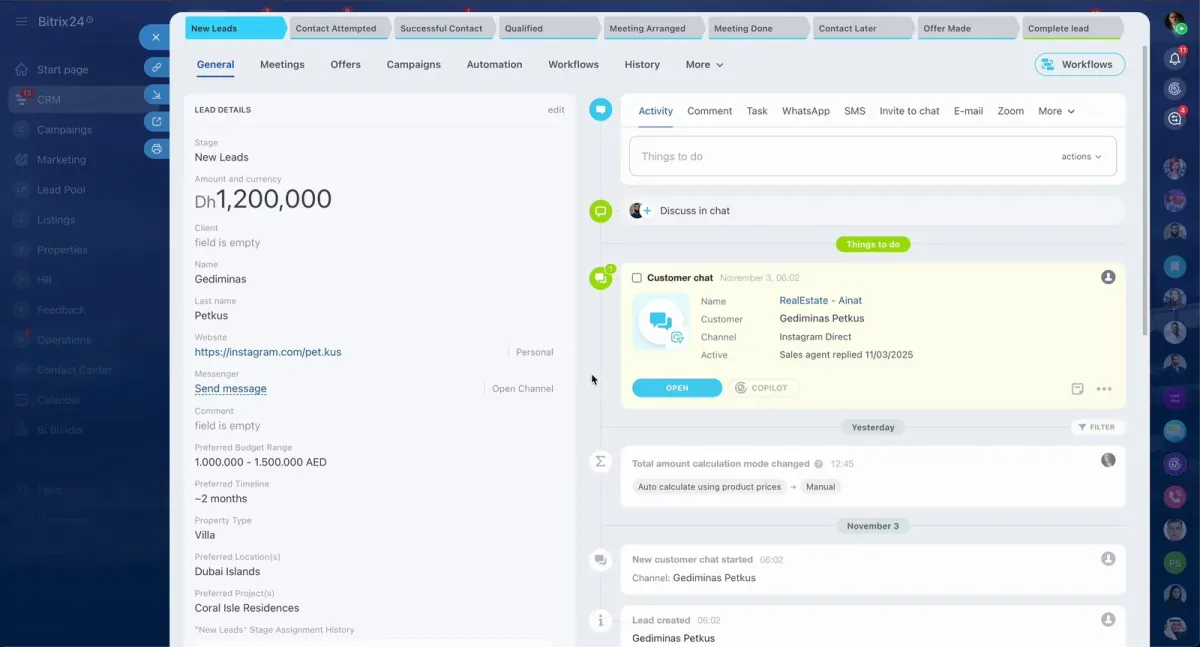
What this page covers
Real estate lead routing for brokerages
Real estate lead routing for brokerages helps assign new enquiries to the right agent faster and with less manual work. Eccentrio supports brokerage teams with practical digital workflows built around real operating needs.
For most brokerages, this means setting clear assignment rules by area, property type, team, campaign source, or agent availability. The goal is to improve response times, follow-up discipline, and visibility across lead distribution.
In brief
- Lead routing reduces manual lead distribution by using clear rules to assign new enquiries more consistently.
- Assignment rules can be based on location, property type, team structure, lead source, or current agent workload.
- A structured routing setup can help cut delays, improve ownership, and make distribution easier to track and review.
What to do
Eccentrio provides a real estate operating system built to help brokerages manage leads, listings, deals, documents, and daily workflows in one place. For lead routing, that means creating a more structured process for handling incoming enquiries.
The setup should reflect how the brokerage actually works. Routing rules may depend on geography, listing categories, campaign channels, internal teams, or other practical factors that shape day-to-day lead assignment.
The main objective is simple: connect each new enquiry to the right person quickly and clearly. When routing logic is well defined, brokerages can improve client response, reduce confusion, and keep lead ownership visible from the start.
What to keep in mind
This page is most relevant for brokerages dealing with manual lead allocation, slow first response, uneven agent workloads, or unclear ownership of new enquiries. These issues are common when assignment decisions depend too heavily on ad hoc coordination.
The strongest use case is a team that can agree on the core routing logic before automating it. That usually includes rules for area, property type, source, team ownership, and how to handle round-robin or workload-based distribution.
Automation still needs practical oversight. Priority leads, VIP enquiries, exceptions, reassignment rules, and reporting should all be considered so the routing process supports daily brokerage operations rather than adding friction.